
One of the most critical steps in selling a home is setting the right listing price. A well-priced home attracts serious buyers, minimizes time on the market, and often leads to better offers. Here’s a closer look at how I determine a competitive listing price for homes in [city] and why this data-driven approach makes a difference in your sale.
1. Analyzing Comparable Sales (Comps)
The first step in determining your home’s price is reviewing recently sold properties in [city] that are comparable to yours. These “comps” provide a baseline for what buyers are willing to pay for similar homes in the area.
- Similar Properties: Comps are chosen based on similarities in square footage, bedroom and bathroom count, age, and style. This ensures the comparison is relevant and accurate.
- Recent Sales: I look at homes sold in the last 3-6 months, focusing on properties that are close to your home’s location. These sales reflect current market conditions in [city].
Tip: Accurate comps offer valuable insight into what buyers are likely to pay for your home, giving us a realistic starting point.

2. Evaluating Current Market Conditions in [city]
The [city] real estate market is constantly shifting. Whether it’s a seller’s market, a buyer’s market, or a balanced market affects how aggressively we should price your home.
- Inventory Levels: Low inventory often indicates a seller’s market, where homes may sell faster and at higher prices. High inventory can signal more competition and may require a competitive price to attract buyers.
- Buyer Demand: Interest rates, local employment trends, and other economic factors influence buyer demand. When demand is high, homes tend to sell quickly, which can support a slightly higher listing price.
Tip: By analyzing current market conditions, I adjust the pricing strategy to match buyer behavior and maximize interest in your home.
3. Adjusting for Unique Property Features
Every home has unique characteristics that can impact its value. I assess any special features or upgrades that make your home stand out and factor these into the listing price.
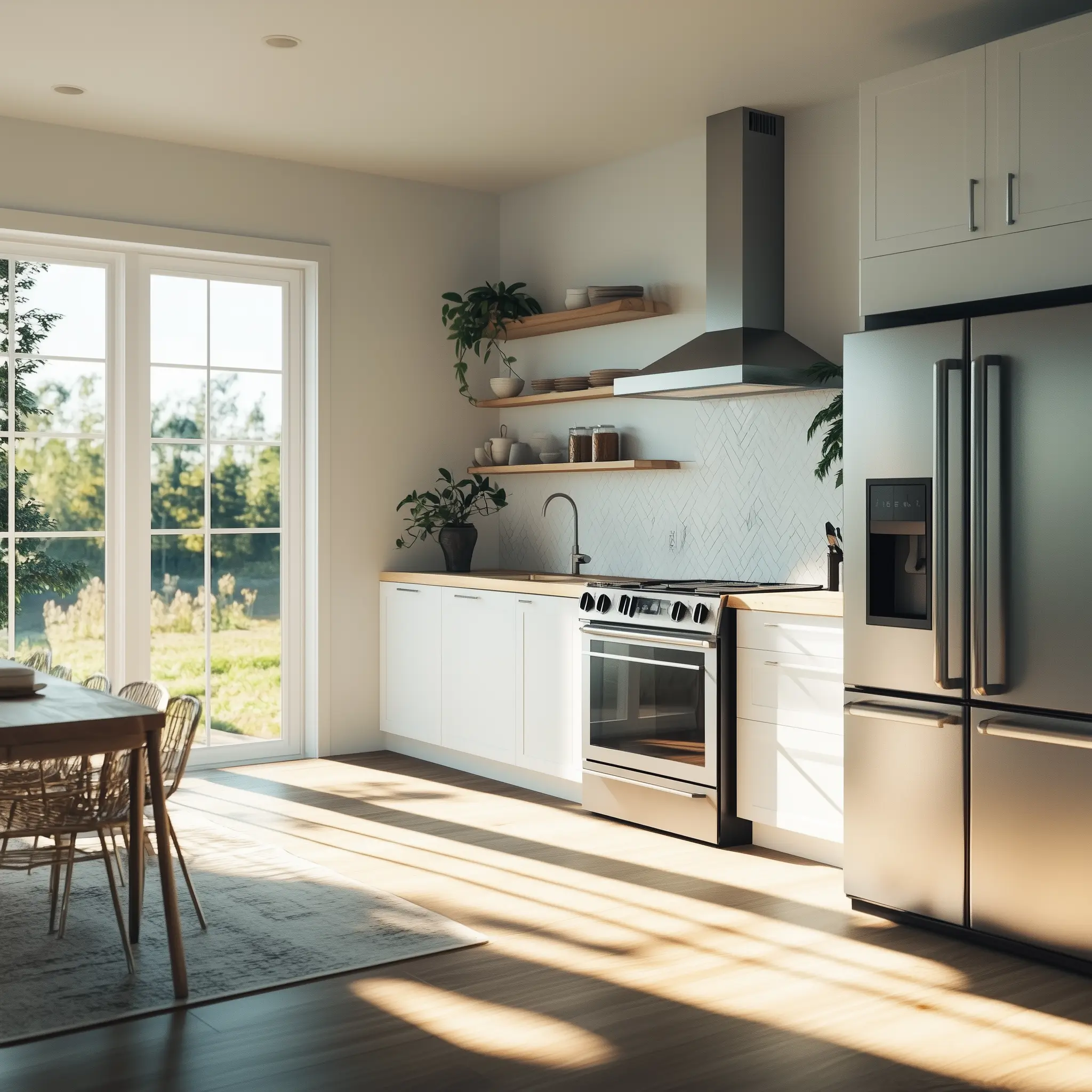
- Upgrades & Renovations: Recent renovations, such as a remodeled kitchen or new flooring, can add value to your home and justify a higher price.
- Lot Size & Views: If your property offers premium features like a large yard, scenic views, or privacy, these elements enhance its market appeal.
- Special Amenities: Features like a pool, solar panels, or a home office setup can also increase desirability and value.
Tip: Highlighting your home’s unique features and upgrades helps position it competitively in the market, attracting buyers willing to pay a premium.
4. Considering the Property’s Condition
The condition of your home influences both the price and the buyer’s perception of its value. Homes in excellent condition typically command higher prices, while properties needing repairs may require a more competitive price.
- Move-In Ready Appeal: Homes that are well-maintained and move-in ready are highly attractive to buyers, often justifying a higher asking price.
- Repairs Needed: If your home has deferred maintenance or visible issues, we may adjust the price accordingly or discuss making repairs before listing.
Tip: Addressing minor repairs before listing can improve your home’s appeal and increase the chances of achieving your desired sale price.
5. Factoring in Location
Location is a significant factor in determining a home’s value. Desirable neighborhoods, proximity to schools, and nearby amenities can all impact how buyers perceive your home’s worth.
- Neighborhood Appeal: Homes in popular neighborhoods or school districts in [city] typically command higher prices due to increased buyer interest.
- Accessibility: Proximity to shopping centers, restaurants, and major transportation routes adds convenience and appeal to your home’s location.
Tip: Highlighting location benefits in your listing helps maximize value and captures buyers interested in lifestyle convenience.
6. Reviewing Recent Market Trends
Staying current with [city] real estate trends helps us set an optimal price for your home. I monitor market data, such as average days on market and sale-to-list price ratios, to ensure we’re pricing your home competitively.
- Days on Market: Homes that linger on the market may indicate the need for more aggressive pricing, while quick sales suggest a robust market.
- Sale-to-List Price Ratio: This metric shows the percentage of asking price that homes in [city] are typically selling for, offering a guide for setting realistic expectations.
Tip: By aligning with market trends, we set a price that reflects current buyer behavior, increasing the likelihood of strong offers.
Conclusion
Pricing your home correctly from the start is key to a successful sale. By evaluating comparable sales, market conditions, property features, and more, I determine a listing price that attracts buyers and maximizes your return. If you’re ready to find out what your home could sell for, I’d be happy to provide a detailed market analysis.
Curious About Your Home’s Value? Request a Free Market Analysis Today!